Identifier and Data Rules for RFID Identification of Production Moulds
List mould bodies, relevant inserts and interchangeable assemblies. Define which need separate identifiers and what configuration must be retained against each production run.
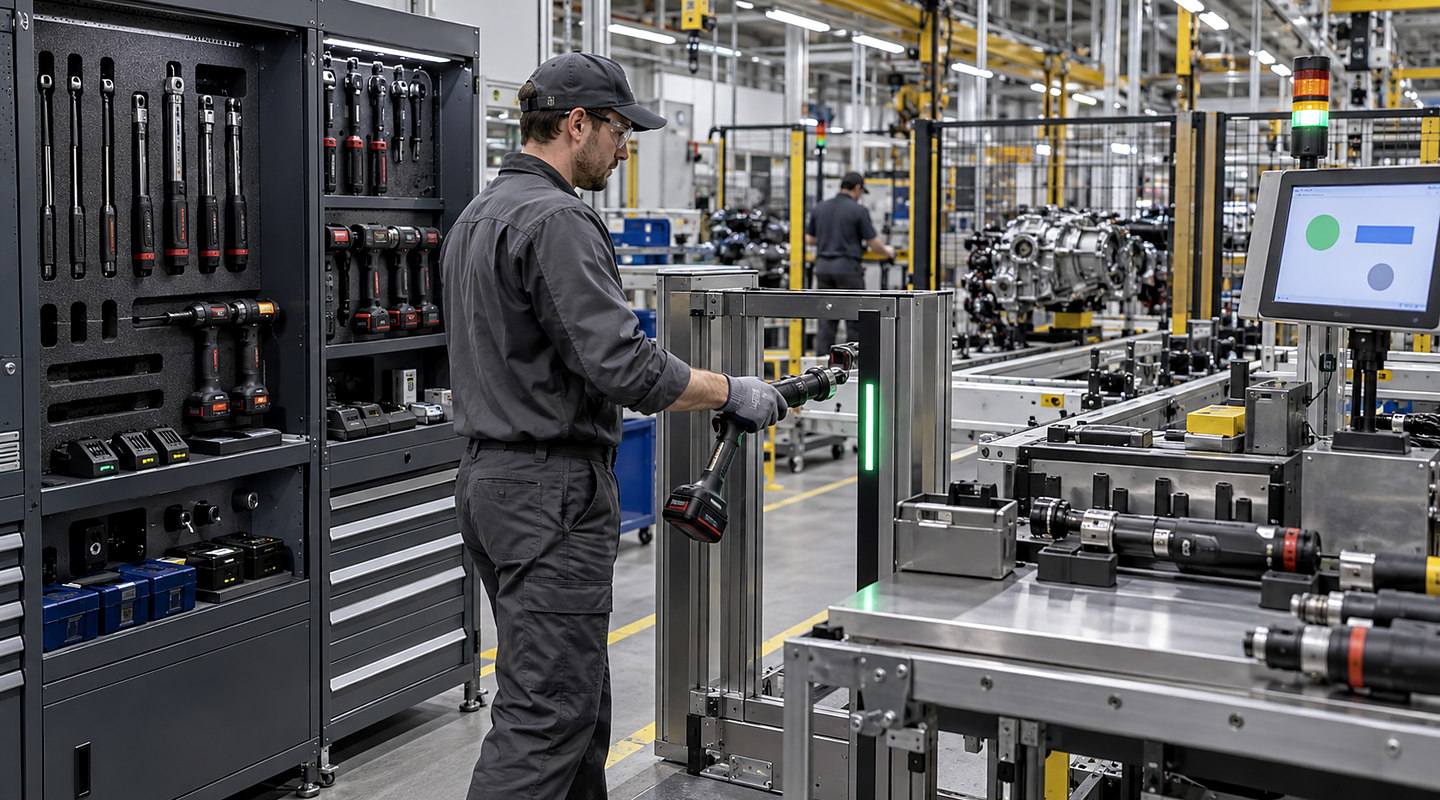
Plan production mould identification using real tooling, assessed tag mounting, storage and machine read points, job checks and configuration history.
Define whether identification covers the mould body, a relevant insert or an interchangeable assembly. Assess the proposed tag and fixing on the actual tool, then trial storage and machine read points with nearby tagged tools present. Confirm installation against the intended machine and authorised job.
If your application is plastic injection moulding, include the mould body and replaceable insert relationships in the tooling brief. Follow the full storage-to-production sequence and preserve the configuration used for each run.
Plan RFID mould tracking around your identifiers, substrates, production events, system interfaces, exceptions and verification records. Discuss a practical data-flow approach with Oxford Traceability. For production identification using RFID identification of production moulds, the deciding details include identifier and data rules for RFID identification of production moulds, production speed and read-point conditions and verification, retention and reconciliation evidence.
Discuss your application
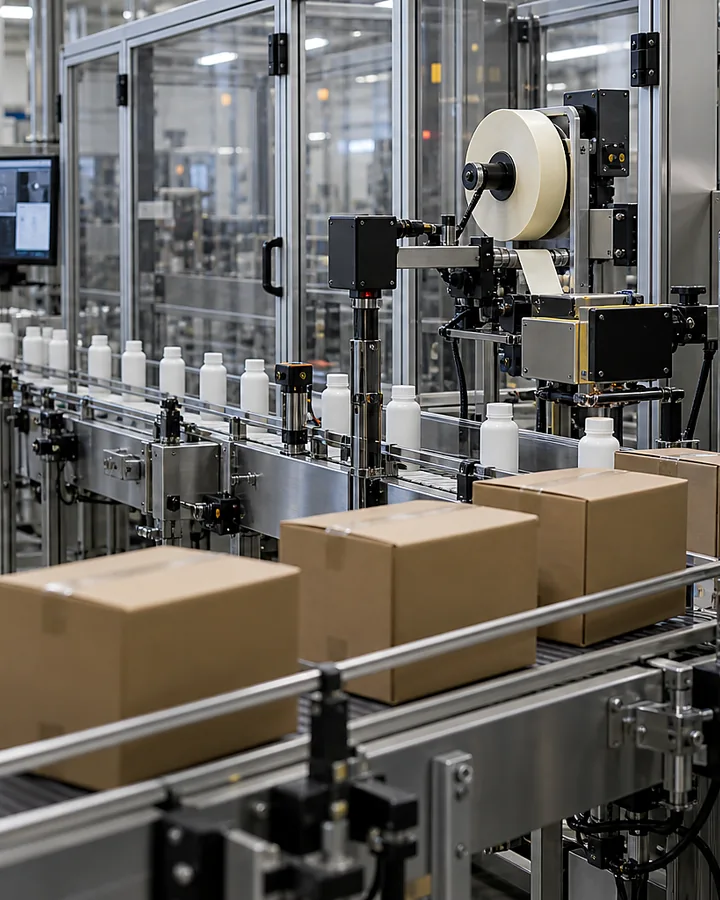
List mould bodies, relevant inserts and interchangeable assemblies. Define which need separate identifiers and what configuration must be retained against each production run.
Supply tool photographs, material, available mounting space and actual heat, cleaning, impact and handling exposure. Review tag location and fixing with the tool owner so function and servicing are considered.
Trial the intended storage and machine read points with real tools and nearby tagged tooling. Distinguish installation from a tool waiting nearby and record missed and unwanted reads.
Define the authoritative machine and job records and what confirms installation/removal. If usage is required, name the machine data source and the period attributed to the installed configuration.
Agree the response to a wrong tool, unreadable identifier, incomplete changeover or missing configuration. Include tag replacement, maintenance status and authorised return to service.
Follow known tool configurations through storage, installation, use, removal and maintenance. Compare physical events with accepted records and verify that a later insert change does not alter earlier run history.
Include replenishment, normal production, planned change, short stops, fault recovery, cleaning and maintenance for production identification using RFID identification of production moulds. A fast automatic step can still leave your team with a slow or awkward overall process.
Run the agreed product or part mix for production identification using RFID identification of production moulds at your intended operating pattern.
Include credible extremes for identifier and data rules for RFID identification of production moulds and substrate, label or tag behaviour.
Show how the proposed solution detects a problem affecting production identification using RFID identification of production moulds, responds safely, informs your team and restarts under control.
Compare with Data Integration and Exception Handling for RFID Identification of Production Moulds if that operating pattern is closer to your application.